When I was 12, I backhanded my best friend Melissa in the face with a Wii remote with such velocity that we feared she was concussed. Importantly, this wasn’t a rage-filled attack but an accident during a particularly ferocious round of the game console’s e-version of tennis that left us both in tears of laughter, despite the agony of my clenched knuckles connecting with her right cheekbone.
Sleepovers are often filled with this haphazard hilarity, fuelled predominantly by giddy freedom and e-numbers. Still today, some of our friendship group’s favourite core memories are of these mad middle-of-the-night moments. Yet, as we entered into our adult years, we forgot about sleepovers for a while; swept up by work, relationships, and the fact we were paying our own rent: “Why would I want to sleep in your bed when I’ve got my own?” it’s easy to wonder when asked to stay the night.
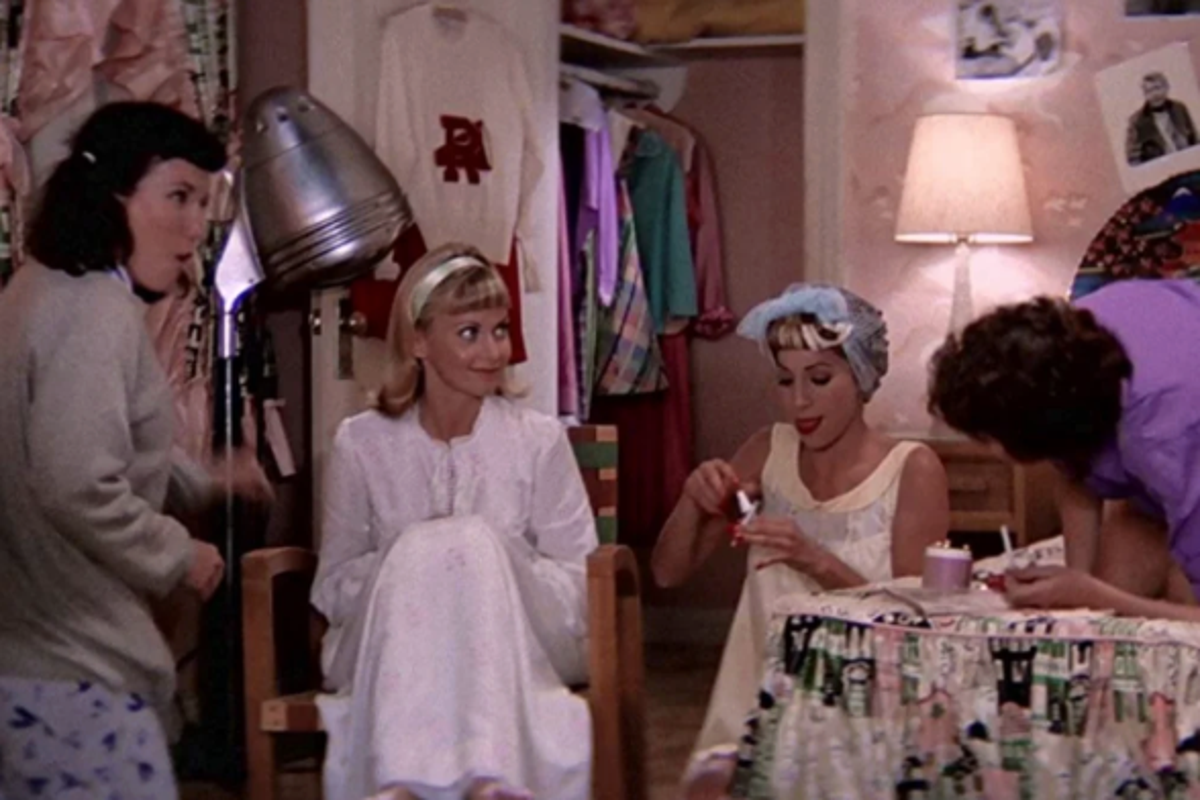
But, buried, there’s a part of us that yearns for an air mattress and matching pyjamas. Notably, at the time of writing, there are 1.3 million videos with the hashtag #sleepover on TikTok, featuring friends bundled under blankets, giggling their heads off at not much at all. “Suddenly, we’re 13 again, laughing at everything,” one user shares. “I need a night like this,” another person admits.
It took Melissa moving further out of London for us to first float the idea of a sleepover together at the seasoned age of 29. I suppose, when it started, it was more “staying the night”, which is different because it’s spurred on by convenience; she wouldn’t have to pay for a taxi back to our hometown after our friend’s 30th, for example. But quickly, it became our favourite way to socialise. “Shall we have a sleepover soon?” I text. “I was thinking this the other day!” she replies.
Admittedly, some parts of sleepovers in your (near) thirties look very different to how they did when you were 13. Rather than stuffing our faces with sweets into the early hours, Melissa, my housemate Clare and I weigh up the risk of having another cup of caffeine-filled tea while we sit on the sofa chatting at around midnight. Of course, it gets to 2am and we’re another mug down in the same position, having – for no reason whatsoever – ranked our favourite meal deals, cocktails and cakes. You simply do not have these meandering conversations over a quick lunch.
“Honestly, if I didn’t have a boyfriend, I think I’d have even more sleepovers,” says my friend Zennah, whose lounge I have slept in on a mattress beside her more times than I can count. “When you’re in your teens, you’re constantly around your friends,” she reflects of her eagerness to have people to stay. “As adults, we don’t have that… When you do something in a home setting, it’s more personal; it feels like a relationship you’d have in your teens rather than just a superficial catch-up and then you’re gone. You can sit next to each other, comfortably, in silence, watching TV – but their presence is there and it brings you closer.”
This feels like a particular novelty in a social landscape that leans towards “catching up” rather than “hanging out”. While school and college years were filled with hours to while away on the playground and sixth form common room, your thirties and beyond push socialising to feel more like a scheduled task to be completed (“How are you? How’s your family? How’s work?”), rather than a joy to be indulged in. As Sheila Liming, a writing professor at Champlain College, Vermont, points out in her book Hanging Out: The Radical Power of Killing Time, friendship has become something to be “taken care of” instead of experienced. Replying to WhatsApps, organising brunches, lunches and coffees have all become chores.
But not at sleepovers, where time has no limit and money is no object. The house and the friendship are the thing – you need little else. “If you can’t afford to go out all the time, it’s a nice option,” says Zennah. “If you don’t drink, or want to focus on your health, you can still spend time together without that pressure. You don’t always want drinking involved.”
Melissa, Clare and I spend our night doing nothing other than watching Traitors and chatting for the cost of £0, zero alcohol units, and zero pressure. I wake up happy, feeling closer to them than I have in weeks.
“Sleepovers with our friends provide us with an opportunity to connect and a sense of belonging which can be often difficult to find in today’s disconnected, isolated society,” explains psychologist Dr Emily Crosby, adding that the ritual can provide familiarity, which evokes feelings of emotional safety that reduce anxiety.
According to Dr Crosby, returning to sleepovers in adulthood can provide us with the freedom to shirk our cumbersome responsibilities for a night that’s instead spent being happy and playful, which reconnects us with our inner child. “This is key in supporting mental health wellbeing because it helps you feel free and open again in an often restricted adult world,” she says. With those benefits, it’s no wonder they’re booming.
Amid all the random reminiscing, conversational caveats and confessions, my absolute favourite moment of a sleepover is the level of near-lunacy we reach after turning the lights off: everything is funny and it’s impossible to stop talking. We’re cackling like Disney witches in the pitch black, unbothered by whether we get our usual eight hours. If we were still 12, my mum would have been thumping on the wall in exasperation.
With my boyfriend, I’m like this all the time. Just as he’s gearing up to drift off, my brain thinks up useless questions to blurt out and break his peace: “Which do you think was named first, the game of cricket or the animals? If I went missing, where would you look for me?” and the internet’s favourite inquiry: “Would you still love me if I was a worm?”
I’d forgotten, until Melissa started sleeping over again, that this was how we used to be, too. It seems sad that we should suddenly lose the silliness and intimacy that comes from early-hours conversation just because it’s only afforded to adults when we’re on some kind of substance. If I have this ridiculousness with my boyfriend, I want it with my best friends, too.
Friendship shouldn’t come with an expiration date. So, I hope that if we’re ever married, we still do this sometimes. That we find a date every few months to laugh like we’re eleven over something silly at three in the morning, rather than booking a £60 lunch to ask surface-level questions before rushing off to one of life’s allegedly more important commitments.
Living with partners isn’t a sleepover hurdle we’ve had to navigate yet. No one is married, no one has children, no one has even bought a house. But, hopefully, the men involved in our future can make themselves scarce for an evening if and when the time comes.
If not, sleepovers in adulthood have become such a phenomenon that large brands and hotels have jumped on the big cosy bandwagon: The five-star Royal Lancaster in London now offers a £489 sleepover package complete with cocktails, sweets, spa kits and luxury pyjama sets; ditto Horwood House in Buckinghamshire. TikTok users have attempted to recreate these high-price options at home with Instagram-ready snack plates and themed sleepwear. But, really, all you need is your friends.
As Melissa and I are finally clambering into bed, sans matching nightwear, she turns to me and says: “Next time, we should play Wii Tennis – do you think you’ve still got it?”
Originally published at The Independent – Lifestyle