Eating seasonally not only ensures that you’re enjoying food at its peak flavor and nutritional value, but it also allows you to connect more deeply with the rhythms of nature. By cooking with seasonal ingredients, you’ll enjoy a variety of fresh, locally sourced produce, and support sustainable farming practices. Whether you’re looking to make the most of spring’s tender greens or savor autumn’s hearty squash, here’s how to get started with seasonal cooking.
Understanding Seasonal Produce: Why It Matters
Seasonal cooking is all about eating foods that are grown and harvested during their natural season. This means that the ingredients are typically fresher, more flavorful, and more affordable, as they don’t need to be shipped long distances. In addition, seasonal produce is often more nutritious since it hasn’t been stored for long periods.
Eating seasonally also supports local farmers and reduces the environmental footprint of your food. By purchasing ingredients that are grown in your region, you’re helping to minimize transportation emissions and ensuring that you’re getting produce that is suited to your local climate.
Spring: Fresh, Light, and Vibrant
Spring is a time of renewal, and the produce available during this season reflects that. Expect to find an abundance of leafy greens like spinach, arugula, and kale, as well as delicate herbs such as mint, dill, and basil. Early spring also brings asparagus, peas, radishes, and strawberries—perfect for fresh salads, light pastas, and fruity desserts.
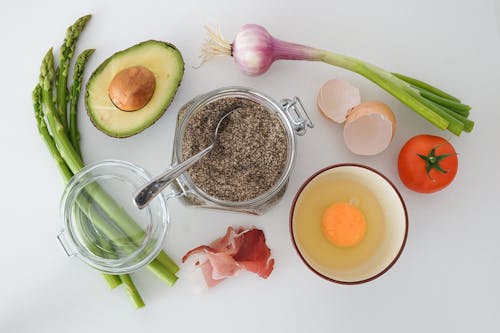
- Recipe Idea: A spring vegetable frittata made with asparagus, peas, and fresh herbs is a quick, nutritious meal that celebrates the season’s flavors. Pair it with a simple side salad of arugula and strawberries drizzled with balsamic vinegar.
Summer: Bold, Sweet, and Juicy
Summer is the height of abundance, bringing a colorful array of fruits and vegetables. Tomatoes, corn, zucchini, cucumbers, and eggplant are just some of the summer staples you’ll find at local markets. Fruits like peaches, cherries, and berries are in full bloom, perfect for making jams, pies, or simply enjoying on their own.
- Recipe Idea: A tomato and zucchini pasta made with fresh, sliced vegetables, olive oil, garlic, and a sprinkling of parmesan is an easy, light dish that showcases the vibrant colors and flavors of summer.
- Tip: When berries are in season, stock up and freeze them to enjoy throughout the year. You can add them to smoothies, oatmeal, or even bake them into muffins for a taste of summer in winter.
Fall: Rich, Earthy, and Comforting
As the weather cools, the harvest shifts to heartier vegetables like squash, pumpkins, sweet potatoes, and root vegetables. Fall is also the season for apples, pears, and figs, which lend themselves beautifully to both savory and sweet dishes. This is the time to indulge in comfort foods like soups, stews, and roasted root vegetables.
- Recipe Idea: A hearty butternut squash soup with coconut milk, ginger, and a touch of cinnamon is the perfect dish to cozy up with on a cool autumn evening. Serve it with a slice of warm, crusty bread for a filling meal.
- Tip: Roasted root vegetables, such as carrots, parsnips, and beets, are easy to prepare and can be served as a side or added to grain bowls for a nutritious and flavorful meal.

Winter: Hearty, Hearty, and Nutritious
Winter brings a mix of hearty vegetables and citrus fruits, which provide the warmth and nutrients needed to survive the colder months. Look for winter greens such as kale, collards, and cabbage, as well as hearty root vegetables like carrots, turnips, and potatoes. Citrus fruits like oranges, grapefruits, and mandarins are in season and make for refreshing additions to your winter meals.
- Recipe Idea: A kale and potato stew with sausage or lentils is a satisfying winter dish that brings together earthy flavors and warming ingredients. Top it with a squeeze of lemon for a burst of freshness.
Cooking with Local, Seasonal Ingredients Year-Round
The best way to cook with seasonal ingredients is to stay connected to local farmers and markets, where you can find the freshest produce each season. Many areas now offer CSA (Community Supported Agriculture) boxes, which allow you to receive a weekly or monthly selection of seasonal produce directly from a local farm.
- Tip: If you’re unsure what’s in season, take a trip to your local farmer’s market. Not only will you get the freshest produce, but you can also ask the vendors for recipe suggestions or tips on cooking with unfamiliar ingredients.
Conclusion: Savoring the Seasons Through Your Cooking
Cooking with seasonal ingredients not only allows you to enjoy the freshest and most flavorful foods, but it also encourages a deeper connection to the changing seasons. By adapting your meals to what’s in season, you can experience the full range of flavors throughout the year. Whether you’re making light and fresh dishes in the spring or indulging in rich, hearty meals in the fall, seasonal cooking adds variety and joy to your kitchen. So, embrace the beauty of each season and let it inspire your meals from farm to table.